Why does a cat grooming appointment need a different booking flow than a dog groom?
Cats are not small dogs, and booking them like dogs is how salons end up with a stressed cat, a bitten groomer, and a lost afternoon. Here is what the cat flow should look like.
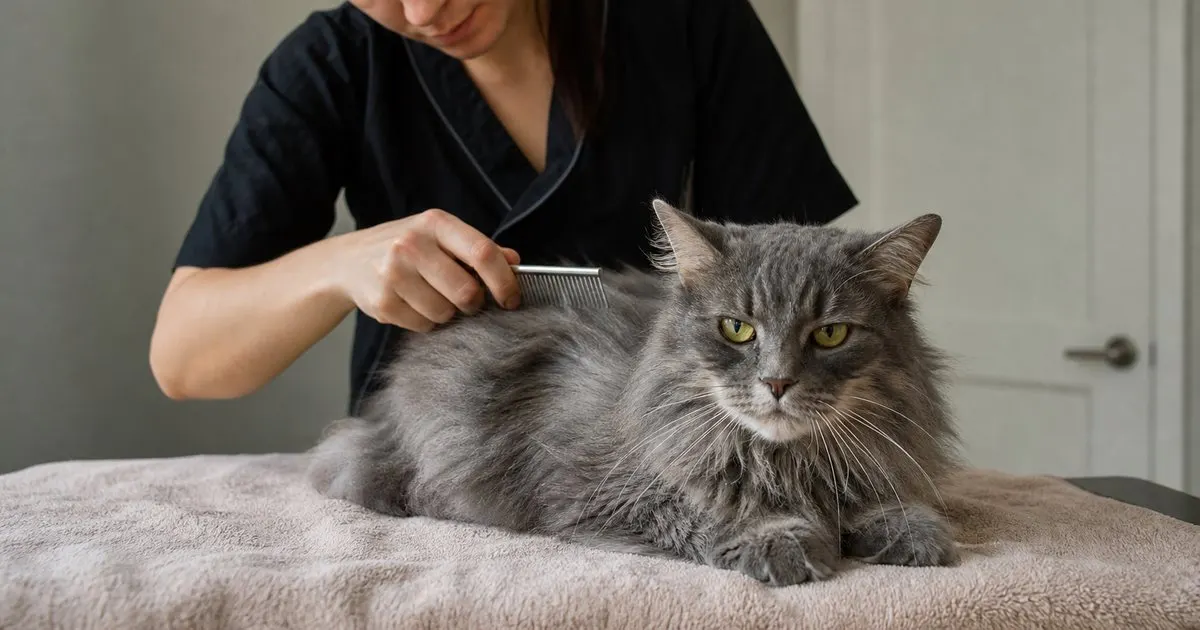
The cat is a different animal, and so is the risk
A dog groom is a service most owners have bought before and most groomers have done a thousand times. A cat groom is neither. Many cat owners have never had their cat professionally groomed and do not know what to expect, and many groomers trained on dogs handle cats rarely and with less confidence. Cats also fail differently. A stressed dog usually gets loud or squirmy. A stressed cat can go from calm to fully defensive in a second, and a cat bite is a serious injury that often needs medical attention.
That combination means the intake questions, the scheduling, and the consent for a cat need to be more careful than for a dog. It does not mean cats should be turned away. It means the booking flow should sort out early which cats are good candidates for a salon groom, which need a quieter setting or a specialist, and which should be referred to a vet where sedation is available. The booking form is where that sorting begins. Related: When should a mobile groomer stop booking by text message and use real scheduling software?
Keep reading: Why Online Booking Helps Grooming Businesses, Keeping Vaccination Records That Protect You, Reducing No Shows in Grooming. See how GroomBookr helps you grooming appointments plus a pet vaccination record vault.
What the cat booking form should ask
The cat form should ask, in plain language, whether the cat has been groomed before and how it went, whether it tolerates being brushed at home, whether it has ever bitten or scratched a person badly, and whether it is indoor only. It should ask about age and health conditions, since older cats and cats with heart or kidney issues are more fragile under stress. It should ask for current rabies and, where your salon requires it, other vaccine records, because a cat bite makes the rabies question urgent in a way most owners have not considered. Related: What should a groomer do when a client's rabies certificate has expired at check-in?
The form should also explain what a cat groom is and is not. Many owners are asking for a lion cut or a de-mat, and some are hoping for a bath that the cat will simply never accept. Set the expectation that the groomer decides on the day based on the cat's tolerance, that a groom may be stopped early for the cat's safety, and that the price reflects the time booked rather than the result. Have the owner acknowledge that before the appointment is confirmed.
Scheduling a cat into a dog salon
Cats should not be booked into the middle of a dog-heavy afternoon. Barking, dryers, and the smell of dogs raise a cat's stress before the groomer touches it. Book cats at the start of the day, at the end, or in a block where the salon is quiet, and if you have a separate room with a door, use it. Keep the appointment short and the buffer long, and do not stack two cats back to back with the same groomer unless the groomer asks for it. Related: Growing From Solo Groomer to Salon
The groomer assigned matters more than for dogs. A salon that offers cat grooming should have at least one person who genuinely likes working with cats and has practiced the handling, and that person's availability should drive the cat booking slots rather than the general calendar. In a scheduling system this is as simple as tying the cat services to specific staff and time blocks, which GroomBookr and most other tools can do. The discipline is in actually setting it up rather than letting cats fall into whatever slot is open. Related: Why Online Booking Helps Grooming Businesses
Pickup, aftercare, and the next appointment
Cat owners need more debrief than dog owners because they have less context. Tell them how the cat handled the groom, what was done and what was skipped, and what to expect at home: a cat that hides for a few hours, some clipper irritation after a lion cut, and possibly a grudge that lasts a day. Send the cat home in its own carrier, not through a lobby with dogs, and ask the owner to come to a side door or the quiet room if the front is busy.
Then book the next visit before they leave. A long-haired cat that mats needs a regular schedule, typically a maintenance groom every several weeks depending on the coat, and cats that are groomed regularly become far easier to handle than cats groomed once a year in crisis. Note on the profile what worked: the time of day, the groomer, the room, whether a towel wrap helped. That note is what turns a difficult first cat groom into an easy tenth.
- Cats fail differently and bite more seriously than dogs, so the intake needs to sort candidates early.
- The cat form should ask about prior grooms, brushing tolerance, bite history, health, and vaccine status, and set expectations on outcomes.
- Book cats into quiet blocks, ideally a separate room, with a cat-confident groomer and a long buffer.
- Debrief owners fully, send the cat home away from dogs, and book the next visit before they leave.

Julien Jimenez
Julien Jimenez is an independent software builder based in Paris. He designs, ships, and operates focused SaaS products for small businesses and independent professionals. Read the full author page.
Bookings and vaccination records in one place
Grooming appointments plus a pet vaccination record vault. GroomBookr is built to help you put this into practice.
Take bookingsMore from the GroomBookr blog
Why Online Booking Helps Grooming Businesses
Keeping Vaccination Records That Protect You
Reducing No Shows in Grooming
Get the GroomBookr playbook
Practical guides on pet grooming, straight to your inbox as we publish them. No spam, unsubscribe any time.