What should a groomer do when a pet gets nicked or injured during an appointment?
Small injuries happen even to careful groomers. What separates a professional salon is what happens in the ten minutes after.
First minutes: the pet, then the record
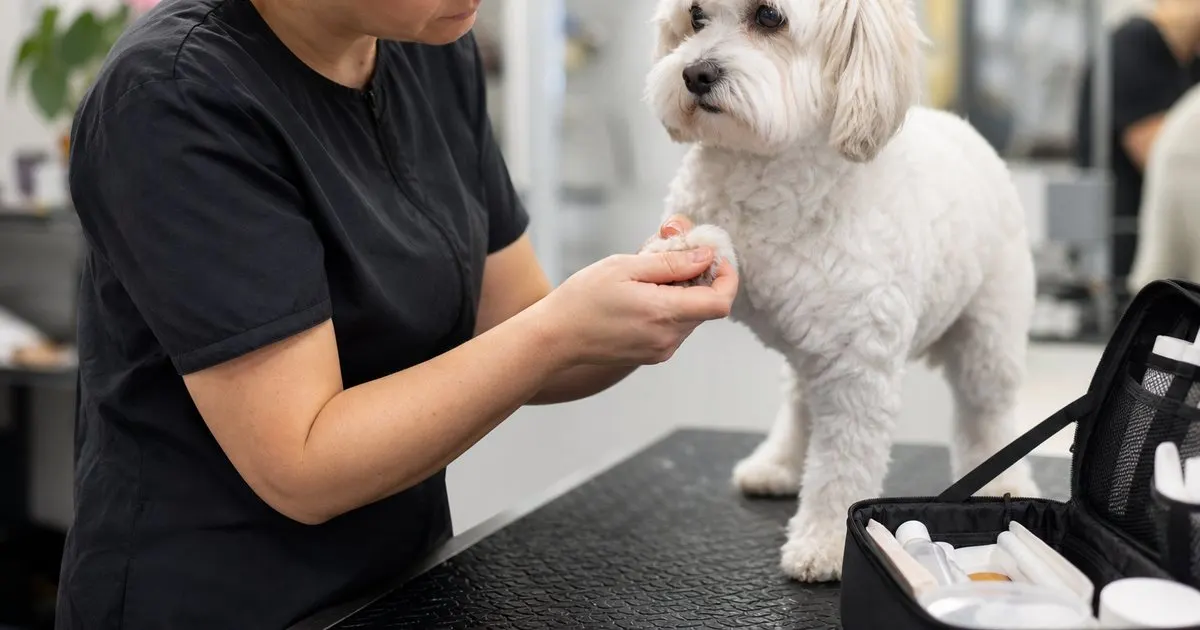
Stop the groom. Assess the injury calmly: a nick from a clipper blade, a cut from scissors, a torn nail, a scrape from a brush, or something more serious like a deep laceration or a fall from the table. Control bleeding with pressure and a clean pad. For a nail, styptic powder handles most cases. For anything that does not stop bleeding within a few minutes, that gapes, or that involves the eye, ear, or a joint, call the vet before you do anything else, and call the owner immediately after.
Once the pet is stable, write down what happened while it is fresh. The time, the groomer, the tool, the part of the body, what the pet was doing at the moment, and what first aid was given. Take a clear photo of the injury. Do this before you speak to the owner, because your memory will start reshaping the event as soon as you begin explaining it. This record is not about blame. It is the thing that lets you answer the owner's questions honestly and consistently. Related: How much buffer time should you leave between grooming appointments for different breeds?
Keep reading: Why Online Booking Helps Grooming Businesses, Keeping Vaccination Records That Protect You, Reducing No Shows in Grooming. See how GroomBookr helps you grooming appointments plus a pet vaccination record vault.
Telling the owner
Call. Do not wait for pickup and do not text a photo of a wound without context. Say plainly what happened, what you did, and what the pet looks like now. Owners handle bad news well when it comes quickly and without spin, and they handle it badly when they discover it at pickup or, worse, at home. If the injury needed a vet, tell them which clinic and that you have covered or will cover the visit, if that is your policy. Apologize for the injury without arguing about whose fault it was.
At pickup, show the owner the injury, explain the aftercare, and give them a copy of the incident note. Most owners are more reassured by seeing that you have a process than by any amount of apology. If the owner is angry, let them be angry, repeat what you did, and do not promise anything you have not already decided. The goal is that they leave knowing exactly what happened and what you will do next.
Money, insurance, and the paper trail
Decide your policy for vet costs before you need it. Many salons cover the vet visit for any injury that occurs on their premises, regardless of fault, because the goodwill is worth far more than the bill and because arguing about a matted dog's contribution to a clipper nick never ends well. Larger or repeated injuries are what your animal bailee coverage is for, sometimes sold as care, custody, and control coverage. Do not assume your general liability policy responds here: many general liability policies exclude injury to an animal in your care, so confirm now that bailee coverage is on your policy rather than discovering the gap after an incident. Your insurer will want the incident report, the photos, and any vet records. File promptly. Late reports are the ones that get questioned.
Keep the incident attached to the pet profile, not just in a binder. If the same dog gets nicked twice in a year, that is information the next groomer needs at check-in, because it usually means a coat, skin, or behavior issue that needs a different approach. GroomBookr keeps incident notes and photos with the pet next to its vaccine records, and any system that lets you attach a dated note to a pet will serve the same purpose. Related: What should a groomer do when a client's rabies certificate has expired at check-in?
Learning from it without punishing anyone
After the owner has gone home, review the incident with the groomer involved. The question is not who was at fault but what would have made it less likely. Was the dog matted in the area that was nicked? Was the blade too hot, or the wrong length? Did the dog jerk because a dryer started nearby? Was the groomer running behind because the earlier appointment overran? Most injuries have a scheduling or setup cause that has nothing to do with skill. Related: When should a mobile groomer stop booking by text message and use real scheduling software?
Then change one thing. Maybe matted pets get a mandatory shave-down conversation at check-in. Maybe the dryer stays off during face work. Maybe buffers get longer on days with several new clients. A salon that treats each incident as a small process fix ends up with fewer incidents, and groomers who report them honestly instead of hiding a nick under a bandana. That culture is what protects your reputation over years, far more than any single apology. Related: Why does every grooming salon need a written matted coat policy before the first shave-down?
- Stop, treat the pet, and call the vet first for anything that will not stop bleeding or involves the eyes, ears, or joints.
- Write down the details and photograph the injury before you speak to the owner.
- Call the owner right away, be plain and apologetic, and give them the incident note at pickup.
- Attach the incident to the pet profile and review it for a process fix, not for blame.
Julien Jimenez
Julien Jimenez is an independent software builder based in Paris. He designs, ships, and operates focused SaaS products for small businesses and independent professionals. Read the full author page.
Bookings and vaccination records in one place
Grooming appointments plus a pet vaccination record vault. GroomBookr is built to help you put this into practice.
Take bookingsMore from the GroomBookr blog
Why Online Booking Helps Grooming Businesses
Keeping Vaccination Records That Protect You
Reducing No Shows in Grooming
Get the GroomBookr playbook
Practical guides on pet grooming, straight to your inbox as we publish them. No spam, unsubscribe any time.