What should a groomer do when a client's rabies certificate has expired at check-in?
The client is standing at the counter with a leash in one hand and a certificate that lapsed three weeks ago in the other. Here is how to handle that moment without losing the client or exposing your salon.

Why the expiration date matters more than the certificate itself
Most groomers ask for a rabies certificate because a state or local rule, an insurance policy, or a landlord lease requires it. What those rules actually care about is whether the animal is currently protected, not whether a piece of paper exists. A certificate that expired last month tells you the dog was vaccinated at some point, which is useful history, but it does not tell you the dog is covered today. Some rabies vaccines are given on a one-year schedule and others on a three-year schedule, and the certificate should state the due date, so read that line rather than the issue date.
There is also a practical difference between an expired certificate and a missing one. An expired one usually means the client has a veterinarian, has done this before, and simply lost track of the date. That is a scheduling problem, not a red flag, and it is worth treating it that way in your tone. The missing case is where you should slow down and ask more questions, because it may mean the pet has never been seen by a vet at all. Related: How much buffer time should you leave between grooming appointments for different breeds?
Keep reading: Why Online Booking Helps Grooming Businesses, Keeping Vaccination Records That Protect You, Reducing No Shows in Grooming. See how GroomBookr helps you grooming appointments plus a pet vaccination record vault.
The conversation at the counter
Say what you see and what you need, in that order, without apologizing for your policy. Something like: the certificate shows a due date of August 12, so it lapsed a few weeks ago, and we need current proof before we can put the dog on the table. Then offer the fastest path forward. Many vet offices will email or fax a current record within minutes if the client calls from your lobby. If the pet was in fact revaccinated and the client just has the old paper, that call solves it on the spot. Related: Why does every grooming salon need a written matted coat policy before the first shave-down?
If the pet is genuinely overdue, you have a decision to make, and it should be made by policy, not by how busy the day is. Most salons that take vaccines seriously do not groom an overdue dog, full stop, because the exception you make for a regular is the one that ends up in an incident report. Rebook the appointment for a date after the vet visit, waive any late-cancel fee since the client showed up in good faith, and write down what happened in the client's notes so the next person at the desk is not starting from zero. Related: When should a mobile groomer stop booking by text message and use real scheduling software?
Fixing the problem upstream
An expired certificate at check-in is almost always a failure of your reminder process, not the client's memory. If you store the vaccine due date at the time you first collect the record, you can flag any appointment that falls after that date and message the client a week or two ahead. That message is far easier to send than the counter conversation, and it lets the client bundle the vet visit before the groom instead of losing an appointment slot.
Storing the record itself matters too. A photo of a certificate in a text thread is not something you can search or expire, and it disappears when a phone is replaced. Whatever system you use, the record should live with the pet profile, carry a due date you can query, and be visible to anyone at the front desk. That is the whole reason we built a vaccination vault into GroomBookr, but a well-kept spreadsheet with a due-date column beats a shoebox of photocopies.
Edge cases you will eventually hit
Titer tests come up occasionally, usually from clients whose vets recommend against revaccinating an older or immunocompromised dog. Be clear about what a titer is and is not. A rabies titer is used for travel and import paperwork, and no US state or city recognizes it as a legal replacement for a current rabies vaccination. The only recognized route around the vaccine is a veterinarian-signed medical exemption, which some states offer formally and others do not. Your salon can still set its own private policy on whether it will groom a dog with a medical exemption, and your insurance carrier may have a view, so decide ahead of time and put the answer in your policy rather than improvising with a client who has strong feelings about it. Related: Which grooming clients should you stop booking, and how do you end it without a bad review?
Puppies in the middle of their initial series are another common case. A young puppy may not be due for a rabies shot yet under your state's schedule, so an absent rabies record is not automatically a problem. Ask for whatever the vet has issued so far, note the expected date of the first rabies dose, and set a reminder to collect the certificate at the next visit. Cats follow their own schedule and their own state rules, so keep a separate line in your policy for them.
- Read the due date on the certificate, not the issue date, because rabies schedules vary between one and three years.
- Treat an expired certificate as a scheduling slip and a missing one as a reason to ask more questions.
- Offer the vet-office phone call first, then rebook without a penalty if the pet is truly overdue.
- Store due dates with the pet profile so you can warn clients before the appointment instead of at the counter.

Julien Jimenez
Julien Jimenez is an independent software builder based in Paris. He designs, ships, and operates focused SaaS products for small businesses and independent professionals. Read the full author page.
Bookings and vaccination records in one place
Grooming appointments plus a pet vaccination record vault. GroomBookr is built to help you put this into practice.
Take bookingsMore from the GroomBookr blog
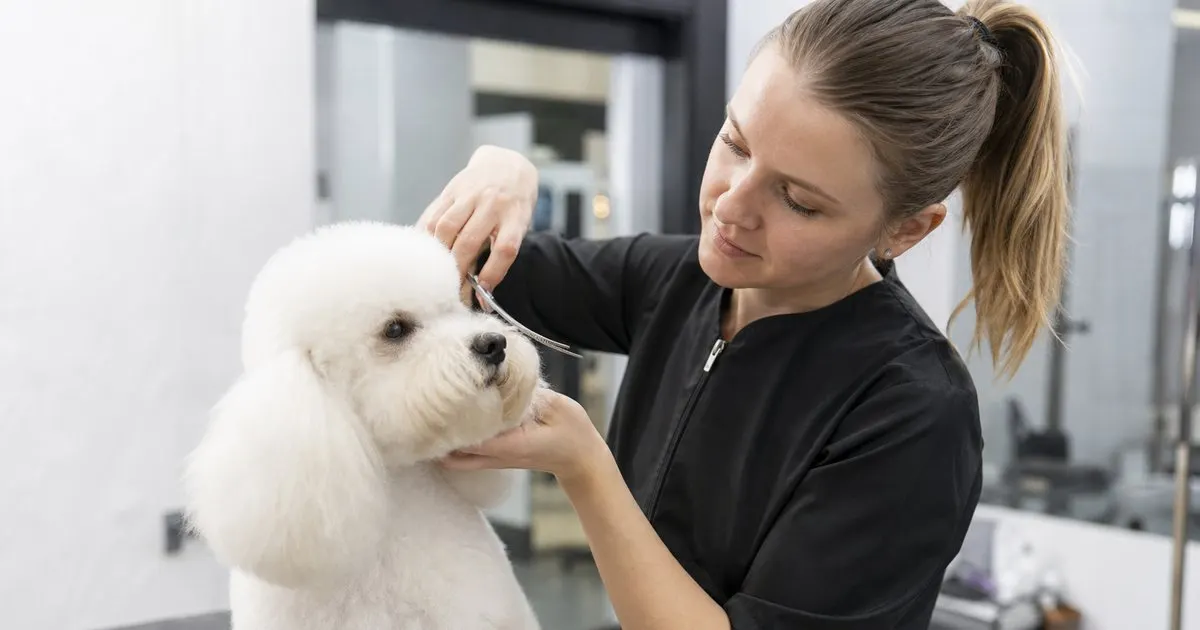
Why Online Booking Helps Grooming Businesses
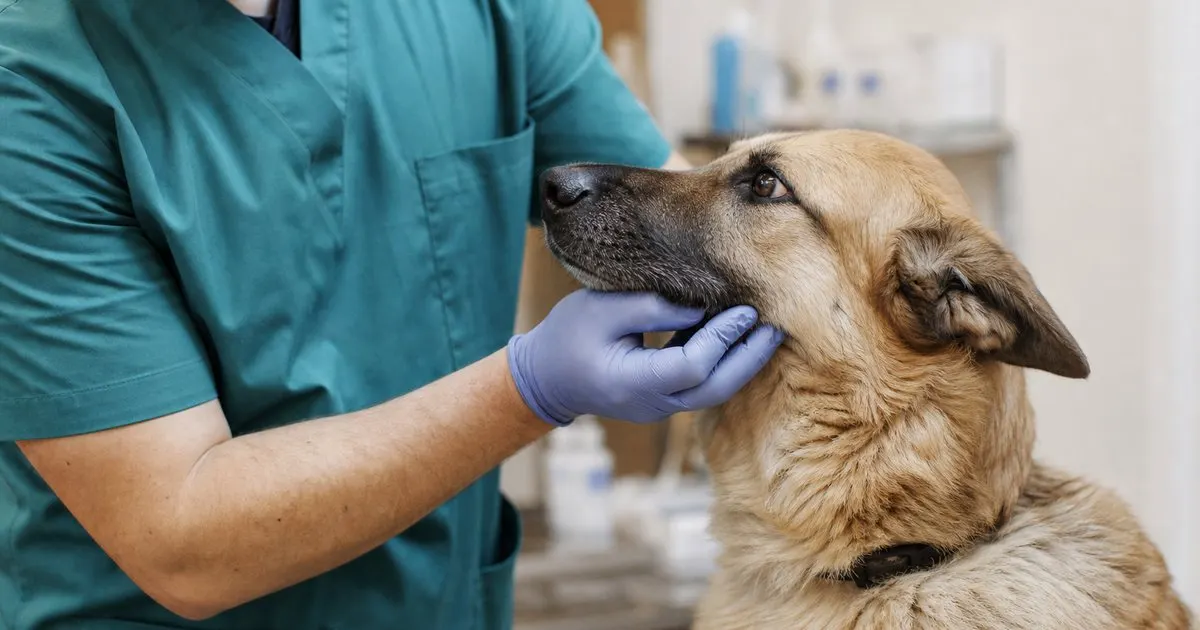
Keeping Vaccination Records That Protect You

Reducing No Shows in Grooming
Get the GroomBookr playbook
Practical guides on pet grooming, straight to your inbox as we publish them. No spam, unsubscribe any time.