Which grooming clients should you stop booking, and how do you end it without a bad review?
Not every client is worth keeping. Here is how to tell the difference between a hard week and a bad fit, and how to part ways cleanly.

The clients who cost more than they pay
A few patterns come up in nearly every salon. The chronic no-show who cancels within an hour of the slot, or does not cancel at all, and expects to be rebooked as if nothing happened. The client whose dog has bitten or nearly bitten a groomer more than once and who refuses to discuss a muzzle, a vet visit, or a different service. The client who disputes every invoice, or who leaves aggressive messages when a groomer runs ten minutes late. And the client who is fine in person but whose pet is consistently so matted or so stressed that every appointment is a welfare question. Related: Growing From Solo Groomer to Salon
None of these is a reason to fire someone the first time. All of them are reasons to fire someone the third time, if the behavior continues after you have said clearly what needs to change. The line between a hard client and a bad fit is whether the problem responds to a conversation. Keep a simple note on the client profile of what was said and when, so the decision to end the relationship is based on a record rather than on how you felt that morning.
Keep reading: Why Online Booking Helps Grooming Businesses, Keeping Vaccination Records That Protect You, Reducing No Shows in Grooming. See how GroomBookr helps you grooming appointments plus a pet vaccination record vault.
Fix what you can before you fire
Most of the problems above have a policy answer that you should try first. No-shows respond to deposits and a written cancellation window, applied evenly. Aggressive dogs may respond to a shorter, calmer service, a different groomer, a muzzle used properly, or a referral to a vet for a medication conversation. Invoice disputes usually shrink once the price is shown at booking and the check-in assessment is documented. Late-running days respond to better buffers. Related: Pet Profiles and Better Service
Trying the policy answer first matters for two reasons. It is fair, and it means that when you do end the relationship, you can say honestly that you tried. It also protects you against the accusation that you singled someone out, because the same deposit rule or muzzle rule applies to everyone on your books. A client who leaves after being held to the same policy as every other client has a much weaker story to tell online.
How to say it
Do it in writing, briefly, and without listing grievances. A short message that says you are no longer able to provide grooming services for their pet, that any prepaid deposit is being refunded, and that you wish them well is enough. If you can name a specific reason without arguing, do so in one sentence, such as that you are not able to safely groom the dog without a vet-supervised plan. Do not invite a reply that reopens the debate. Do not do it at pickup with other clients in the lobby. Related: Building Repeat Grooming Clients
If the client calls or pushes back, stay calm and repeat the decision without adding new reasons. Offer, if you genuinely can, the type of provider who may be a better fit, such as a mobile groomer or a vet clinic with grooming, without naming a competitor you would be dumping the problem on. Then close the client profile in your system with a note and a flag so nobody at the desk books them by accident next month. Related: What should a groomer do when a client's rabies certificate has expired at check-in?
Handling the review that might follow
Sometimes a fired client leaves a review anyway. When that happens, reply once, briefly, and without confirming details about the pet or the person. Something like: we are sorry this did not work out, we take pet and staff safety seriously, and we are glad to discuss privately. Anyone reading a one-star review next to a calm, short reply draws their own conclusion. A long defensive reply does the opposite.
The stronger protection is the rest of your review profile. A salon that asks happy clients for reviews consistently, at pickup or in a follow-up message, has a page where one angry review is obviously an outlier. Firing a client is a small, rare event. Building that base of reviews is ongoing work, and it is the reason you can end a bad relationship without losing sleep over the internet.
- Fire for repeated no-shows, unsafe dogs with unwilling owners, chronic disputes, or ongoing welfare concerns, not for a single bad day.
- Apply the policy fix first, evenly, so the decision is fair and documented.
- End it in writing, briefly, with a refund and one clear reason, and flag the profile so nobody rebooks them.
- Reply once and calmly to any review, and keep collecting good ones so it stays an outlier.

Julien Jimenez
Julien Jimenez is an independent software builder based in Paris. He designs, ships, and operates focused SaaS products for small businesses and independent professionals. Read the full author page.
Bookings and vaccination records in one place
Grooming appointments plus a pet vaccination record vault. GroomBookr is built to help you put this into practice.
Take bookingsMore from the GroomBookr blog
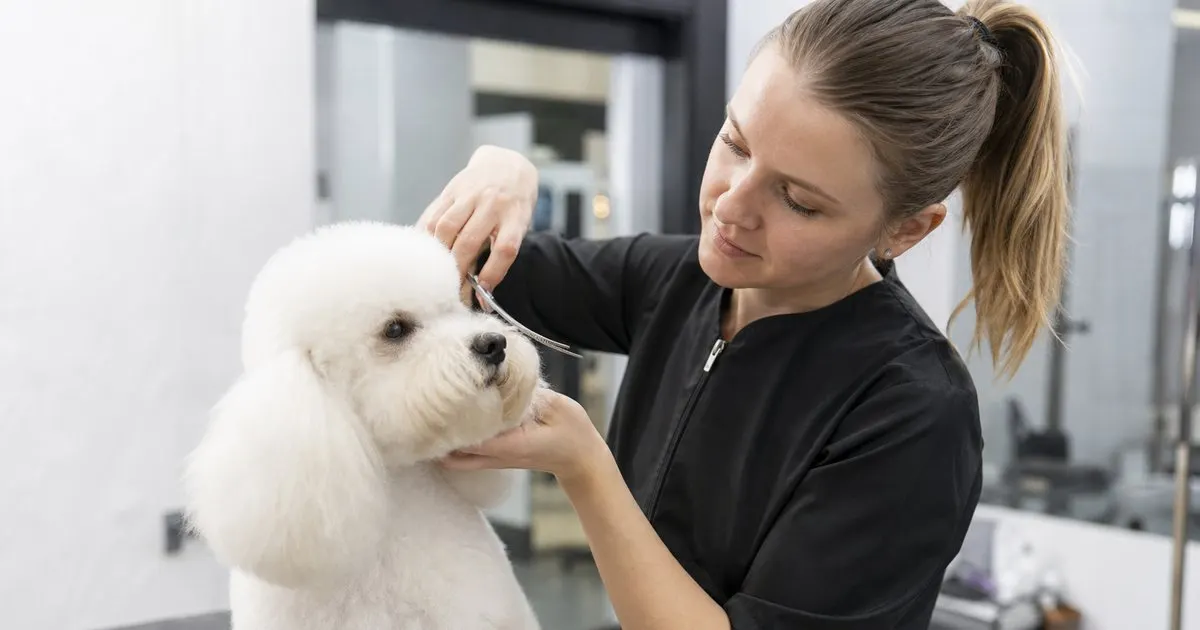
Why Online Booking Helps Grooming Businesses
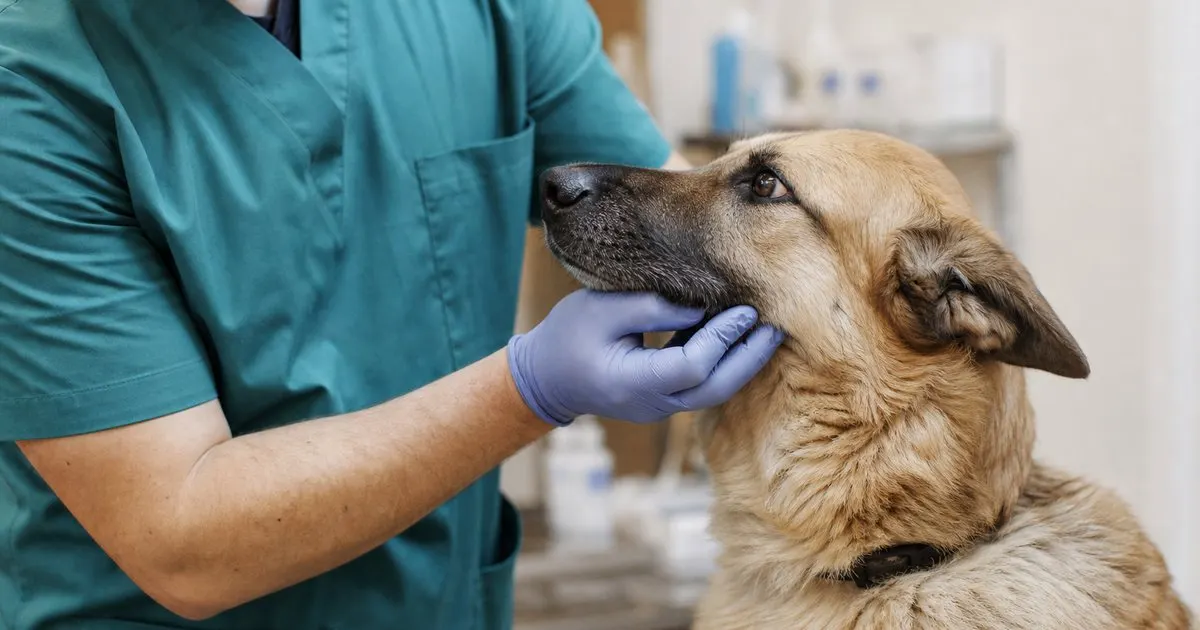
Keeping Vaccination Records That Protect You

Reducing No Shows in Grooming
Get the GroomBookr playbook
Practical guides on pet grooming, straight to your inbox as we publish them. No spam, unsubscribe any time.