What is the best way to price grooming add-ons like de-shedding and teeth brushing?
Add-ons are where a lot of grooming margin lives, and where a lot of confusion starts. Here is a way to price them that clients understand and groomers can defend.
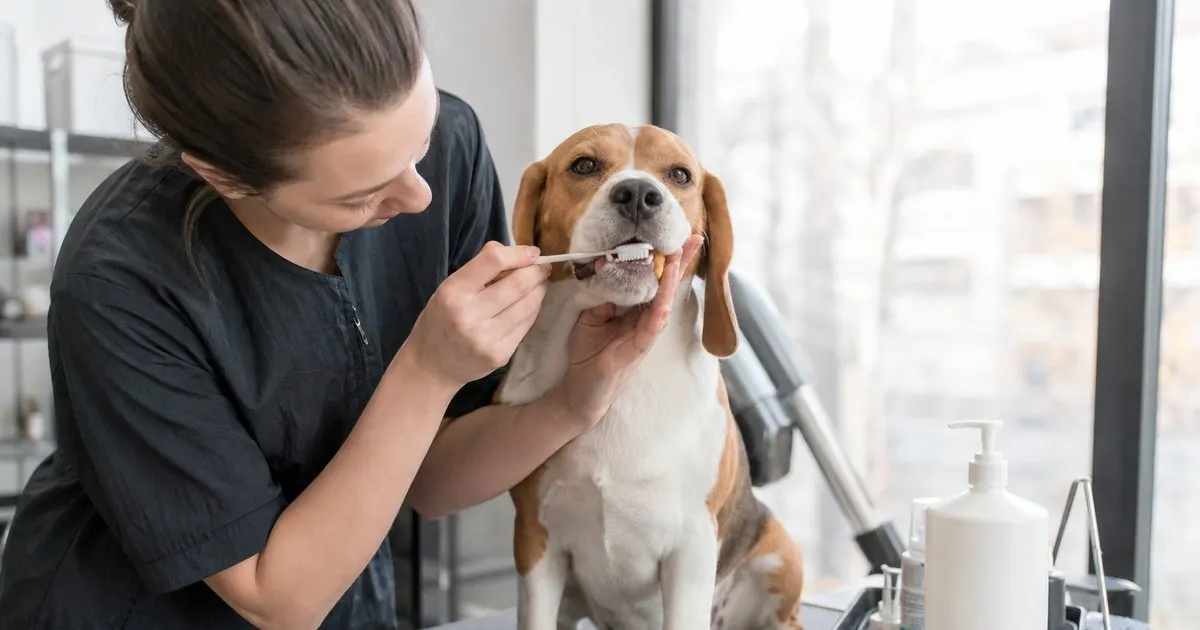
Price the time and the skill, not the product
The mistake most salons make with add-ons is pricing them like retail, as if the cost of the shampoo or the toothpaste were the point. It is not. A de-shedding treatment is priced for the extra time under the dryer and the extra passes with a rake, and for the fact that a groomer who does it well leaves a dog that sheds noticeably less for weeks. Teeth brushing is priced for handling a dog's mouth safely, which is a skill, not a squeeze of gel. Start every add-on price from the minutes it adds and the skill it demands. Related: How much buffer time should you leave between grooming appointments for different breeds?
That framing also tells you which add-ons deserve a flat price and which need a range. Teeth brushing and nail grinding take about the same time on most cooperative dogs, so they can be flat. De-shedding on a small short coat and on a large double coat are different jobs, so a small, medium, and large tier or a per-coat quote is more honest. If you find yourself losing money on a service for large dogs, the fix is tiering, not raising the flat price on everyone.
Keep reading: Why Online Booking Helps Grooming Businesses, Keeping Vaccination Records That Protect You, Reducing No Shows in Grooming. See how GroomBookr helps you grooming appointments plus a pet vaccination record vault.
Bundles, and when they work against you
Bundles are attractive because they raise the average ticket and simplify the menu. A spa package that includes de-shedding, a conditioning treatment, and teeth brushing at a modest discount is easier to sell than three separate line items. The catch is that bundles hide the value of each part. If a client only ever buys the package, they never learn that the de-shedding is the thing keeping fur off their couch, and the day you raise the package price they have nothing to compare it to.
A reasonable middle path is to list every add-on individually with its own price, then offer one or two packages that are clearly labeled as a saving over the sum. Keep the discount honest but small. The purpose of the package is convenience, not a giveaway. Watch what actually sells over a quarter. If a package almost never moves, it is cluttering the menu and should be cut. Related: Why does every grooming salon need a written matted coat policy before the first shave-down?
Putting the add-ons where clients will choose them
The best moment to sell an add-on is at booking, when the client is thinking about what their dog needs and not watching the clock in your lobby. A booking form that shows add-ons as simple checkboxes with a one-line description and a price will sell more than the most charming front desk, because the client makes the decision privately and without pressure. The second-best moment is the reminder message before the appointment, which can mention seasonal add-ons like de-shedding in spring. Related: When should a mobile groomer stop booking by text message and use real scheduling software?
The worst moment is pickup, when the client has already mentally paid. Groomers can still recommend at pickup, but frame it as a note for next time and record it on the pet profile so it appears at the next booking. Systems like GroomBookr let you attach add-ons to services and surface groomer recommendations at booking, which is a small thing that adds up over a year of appointments. The general rule is: sell early, recommend late, and never surprise anyone on the invoice. Related: What should a groomer do when a client's rabies certificate has expired at check-in?
Reviewing prices without upsetting regulars
Add-on prices should be reviewed at least once a year, ideally alongside your base prices, and the review should be driven by your own numbers. Look at how long each add-on really takes across your groomers, what your hourly target is, and whether the add-on is hitting it. If de-shedding is running long on the big dogs, that is a tiering problem. If teeth brushing is undersold, that is a menu placement problem, not necessarily a price problem.
When you do raise a price, announce it with a short notice period and a plain reason. Clients generally accept a modest increase framed as covering time and supplies. They resent an increase they discover on the receipt. Grandfathering long-term regulars for one cycle is a nice gesture that costs little. Whatever you decide, update the booking form and the menu on the same day so nobody sees two different prices.
- Price add-ons for the minutes and skill they add, not for the product used.
- Flat prices suit consistent tasks like teeth brushing, while de-shedding usually needs a size or coat tier.
- Sell add-ons at booking with checkboxes and one-line descriptions, and recommend at pickup for next time.
- Review prices yearly against your own timing data and announce changes before they hit a receipt.

Julien Jimenez
Julien Jimenez is an independent software builder based in Paris. He designs, ships, and operates focused SaaS products for small businesses and independent professionals. Read the full author page.
Bookings and vaccination records in one place
Grooming appointments plus a pet vaccination record vault. GroomBookr is built to help you put this into practice.
Take bookingsMore from the GroomBookr blog
Why Online Booking Helps Grooming Businesses
Keeping Vaccination Records That Protect You
Reducing No Shows in Grooming
Get the GroomBookr playbook
Practical guides on pet grooming, straight to your inbox as we publish them. No spam, unsubscribe any time.