How do you groom senior dogs and pets with health conditions safely in a busy salon?
Older pets and pets with medical issues need a different appointment, not just a gentler hand. Here is how to build that into intake, scheduling, and the groom itself.
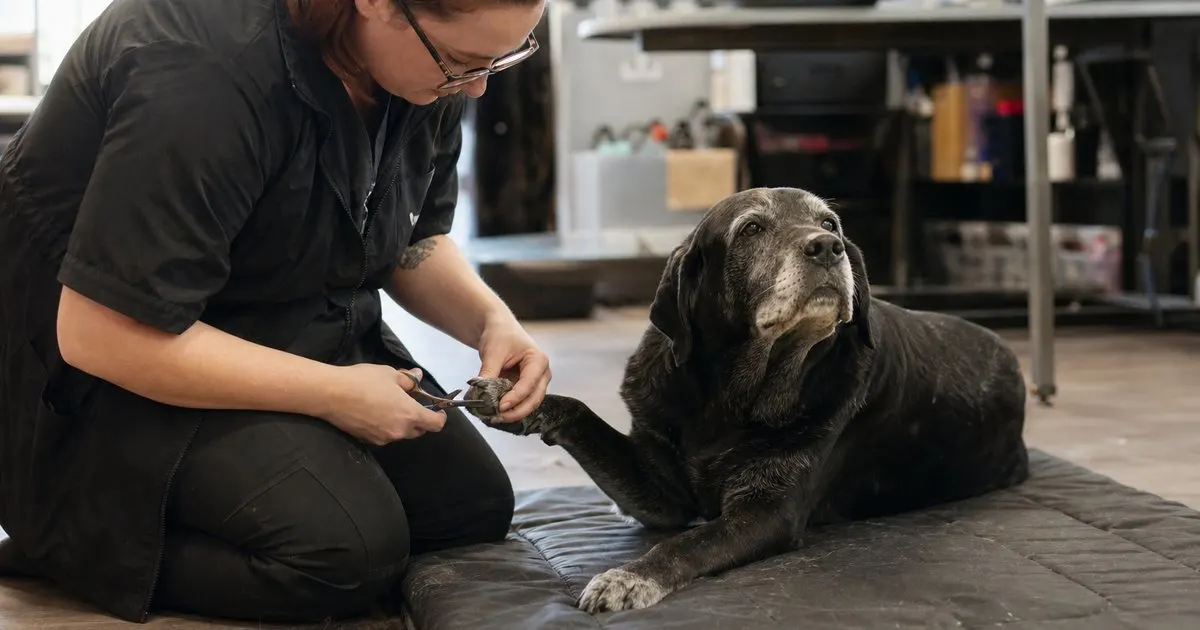
Start with intake, not with the table
The most important part of a senior groom happens before the pet arrives. Your intake form should ask about age, known conditions such as arthritis, heart disease, seizures, or diabetes, current medications, and whether the pet has had any trouble at previous grooms. It should also ask for the vet's name and a phone number, and for permission to call the vet if something seems wrong. Most owners answer these honestly when asked plainly. Few volunteer them unprompted.
Keep that information on the pet profile where every groomer can see it at check-in, and update it at each visit with a quick question: anything new with the vet since last time? Conditions change fast in older animals. A dog that was fine six months ago may now have a heart murmur that makes a long dryer session risky. If your system stores vaccine records and notes together, as GroomBookr does, the health notes and the vet contact live in the same place the desk already opens for every appointment. Related: What should a groomer do when a client's rabies certificate has expired at check-in?
Keep reading: Why Online Booking Helps Grooming Businesses, Keeping Vaccination Records That Protect You, Reducing No Shows in Grooming. See how GroomBookr helps you grooming appointments plus a pet vaccination record vault.
Schedule for the pet, not for the calendar
Senior and medically fragile pets do best at the quietest time of your day, usually first thing or right after the lunch lull, when there are fewer dryers running and fewer dogs barking. Book them for the shortest service that meets the need. A full haircut on an arthritic dog that cannot stand for an hour is often better split into two shorter visits, or done as a bath and tidy with a shorter body clip that needs less time on the table. Charge for the time, and explain the reason. Related: Pet Profiles and Better Service
Arrange the day so the same groomer handles that pet every time, if you can. Familiarity reduces stress for the animal and lets the groomer notice changes. Give the appointment a generous buffer so the groomer can pause without watching the clock, and avoid holding the pet in a kennel for hours before or after. In-and-out appointments, where the owner drops off and returns at a set time, are the kindest format for an older animal. Related: When should a mobile groomer stop booking by text message and use real scheduling software?
On the table
Support matters more than speed. Use a non-slip mat, keep the table low, and let the dog lie down for parts of the groom that do not need standing. Keep sessions short with breaks for water and a walk. Avoid hot dryers and long dryer times on pets with respiratory or heart conditions, and skip the high-velocity dryer near the face entirely. Watch for signs of stress that owners might not have mentioned: heavy panting, trembling, drooling, or a dog that will not settle and keeps trying to get off the table. Those are the cues to slow down, take a break, or call it a day.
Some signs are not stress, and they must not be handled like stress. Pale, white, or bluish gums, a dog that suddenly stops responding or goes limp, a collapse, or breathing that turns labored can mean shock, a cardiac event, or a seizure, and they are emergencies. Stop immediately, get the dog off the table and onto the floor on its side, and call the pet's vet or the nearest emergency clinic before you do anything else, then call the owner. Do not wait to see whether it passes, and do not try to finish anything. The vet contact and the permission to call that you collected at intake exist for exactly this moment.
For ordinary struggling, groomers should know when to stop. If a dog is tiring or stressed, the right call is to finish what can be finished safely and send the rest to another day, then tell the owner exactly what was done and why. Nobody regrets stopping early with a senior dog. Photograph anything unusual you find under the coat, such as lumps, sores, or thinning skin, and note it on the profile so the owner can bring it to the vet.
Talking with owners and vets
Owners of older pets are often anxious, and they are usually grateful for a groomer who talks to them like a partner. Explain what you plan to do and what you will skip, ask about the pet's good and bad times of day, and agree on what you will do if the pet cannot continue. After the groom, tell them what you noticed. A groomer sees the whole body of the animal more closely than most owners do, and a mention of a new lump or a sore paw can lead to an early vet visit.
Keep the vet relationship formal but easy. Some pets will need a vet's note that grooming is appropriate, and some vets prefer to groom fragile pets in the clinic with sedation available. Knowing when to refer is a mark of a good salon, not a lost sale. When a pet is beyond what you can do safely, say so, and help the owner find a clinic that can. That honesty is what brings the owner's next dog to your salon. Related: Why Online Booking Helps Grooming Businesses
- Ask about age, conditions, medications, and vet contact at intake, and update it at every visit.
- Book seniors at quiet times, for shorter services, with the same groomer and a generous buffer.
- Use low tables, non-slip mats, breaks, and gentle drying, stop early when the pet is struggling, and treat pale gums, collapse, or unresponsiveness as an emergency that goes straight to the vet.
- Report what you find to owners, and refer to a vet clinic when the pet needs more than a salon can offer.

Julien Jimenez
Julien Jimenez is an independent software builder based in Paris. He designs, ships, and operates focused SaaS products for small businesses and independent professionals. Read the full author page.
Bookings and vaccination records in one place
Grooming appointments plus a pet vaccination record vault. GroomBookr is built to help you put this into practice.
Take bookingsMore from the GroomBookr blog
Why Online Booking Helps Grooming Businesses
Keeping Vaccination Records That Protect You
Reducing No Shows in Grooming
Get the GroomBookr playbook
Practical guides on pet grooming, straight to your inbox as we publish them. No spam, unsubscribe any time.