How do you hand off part of your client book when you hire a second groomer?
Clients booked with you, not with your salon, and a careless handoff shows up as cancellations within a month. Here is how to move pets to a new groomer without losing the regulars.
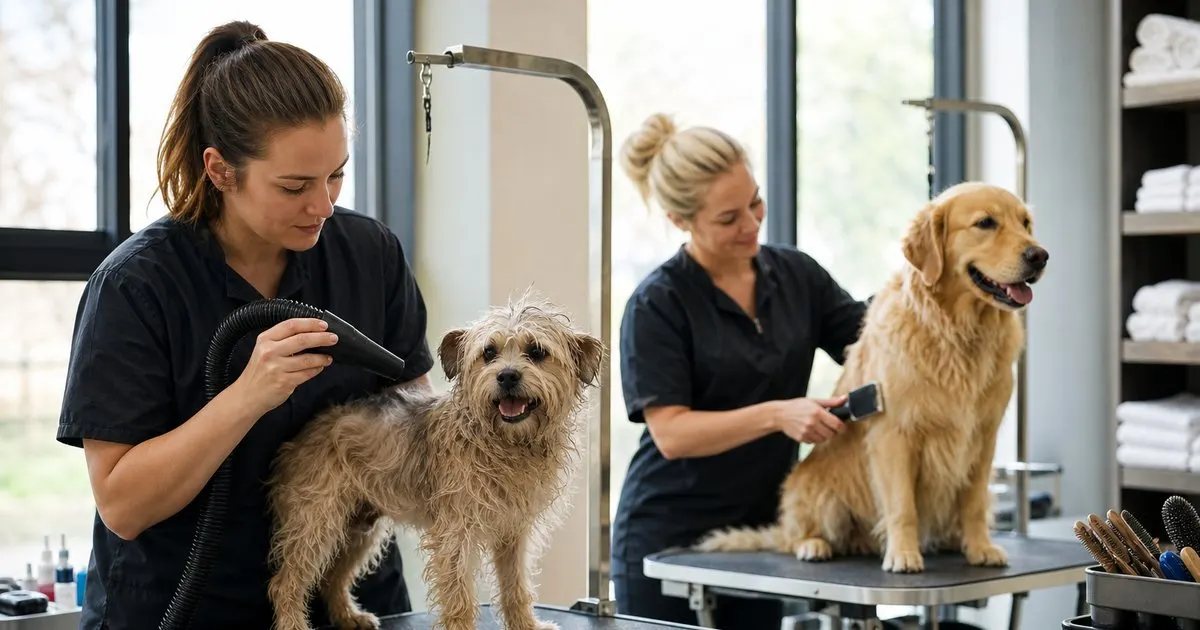
Understand What Your Clients Actually Booked
When you have been the only pair of hands in the building, every client on your list chose you personally. They know how you hold a squirmy poodle, they trust the length you leave on the ears, and several of them drive past two closer salons to keep coming. That loyalty is the asset you built, and it is also the thing most at risk the week a second groomer starts. Owners do not read the change as growth. They read it as a downgrade unless you tell them otherwise. Related: What should a groomer do when a client's rabies certificate has expired at check-in?
So treat the handoff as a client relationship task, not a scheduling task. The goal is not to empty half your calendar as fast as possible. It is to move a set of pets across in a way that leaves the owner feeling looked after and the new groomer set up to succeed. Salons that simply reassign whoever happens to fit the new person's open slots usually see cancellations show up in the second month, once people realize the change was permanent and nobody explained it.
Keep reading: Why Online Booking Helps Grooming Businesses, Keeping Vaccination Records That Protect You, Reducing No Shows in Grooming. See how GroomBookr helps you grooming appointments plus a pet vaccination record vault.
Choose Which Pets Move, and in What Order
Start with new inquiries. Anyone who has never been groomed by you has no expectation to disappoint, so route new bookings to the new groomer from day one. That alone can build a meaningful book within a couple of months without touching a single regular. Next, move the straightforward work: bath and tidy appointments, short coated breeds, easy going dogs on long cycles, and clients who have said they mostly care about availability. These are the pets where a competent new groomer will match your result closely. Related: How much buffer time should you leave between grooming appointments for different breeds?
Hold back three groups for longer. Keep the pets with real handling risk, the seniors and the ones with health conditions, and the clients whose styling is specific enough that you would be answering questions about it anyway. Also keep, at least for a while, the handful of clients who have referred half a dozen people to you. Move those last, in person, and only once the new groomer has a few months of visible work behind them. If you must move a difficult pet early because of scheduling, plan for both of you to be in the room for that first appointment. Related: When should a mobile groomer stop booking by text message and use real scheduling software?
Introduce the New Groomer Before You Reassign Anyone
The cheapest way to make a handoff land is a face before a name on a confirmation. Have the new groomer do the bath, the nails, or the brush out on pets you are still finishing yourself, and bring them out to the counter at pickup. Two or three of those small contacts and the owner already knows who this person is. When the reassignment message arrives, it reads as a plan rather than a substitution, and you have removed the main objection before anyone had to raise it.
Send the change from the salon, not as an apology. Say who the new groomer is, name one specific thing that qualifies them for that pet, and say that you are still on site and still know the dog. Keep the price the same for the first few visits, since a new face and a higher number arriving together is the combination that generates complaints. Give people a clear way to say they would rather stay with you, and honor it without pushing back. The ones who ask are usually the ones who would have left. Related: Growing From Solo Groomer to Salon
Write Down What Was Only in Your Head
Solo groomers carry an enormous amount of undocumented knowledge: which dog hates the high velocity dryer, which owner wants the tail left long, which cat has to go first thing in the morning, which pet came in matted twice and got a shave down last spring. None of that transfers by conversation. Before the handoff, write it into the pet profile in your booking system so it appears with the appointment. Blade lengths and finish notes, handling and muzzle notes, drying preferences, past incidents, and the owner's actual wording for what they want.
Then watch the first ninety days with real attention. Look at rebooking rate rather than complaints, because most unhappy clients say nothing and simply do not return. If a pet is not rebooked at pickup, call the owner within a week and ask plainly how the groom went. Sit in on the first appointment for any pet with a handling flag. Keep a short shared note of the corrections you give, so the new groomer learns the pattern and not just the individual case. The salons that get this right end up with two groomers who both hold their own book, which is the entire point of the hire.
- Route every new inquiry to the new groomer from day one and build their book without touching your regulars.
- Move easy coats and flexible clients first, and hold back seniors, handling risks, and your biggest referrers.
- Let clients meet the new groomer at bath or pickup before any reassignment message goes out.
- Move pet notes out of your head into the pet profile, then track rebooking rate for the first ninety days.

Julien Jimenez
Julien Jimenez is an independent software builder based in Paris. He designs, ships, and operates focused SaaS products for small businesses and independent professionals. Read the full author page.
Bookings and vaccination records in one place
Grooming appointments plus a pet vaccination record vault. GroomBookr is built to help you put this into practice.
Take bookingsMore from the GroomBookr blog
Why Online Booking Helps Grooming Businesses
Keeping Vaccination Records That Protect You
Reducing No Shows in Grooming
Get the GroomBookr playbook
Practical guides on pet grooming, straight to your inbox as we publish them. No spam, unsubscribe any time.