Why does every grooming salon need a written matted coat policy before the first shave-down?
The shave-down conversation goes badly when it happens for the first time at pickup. A written policy moves it to booking, where it belongs.
What goes wrong without one
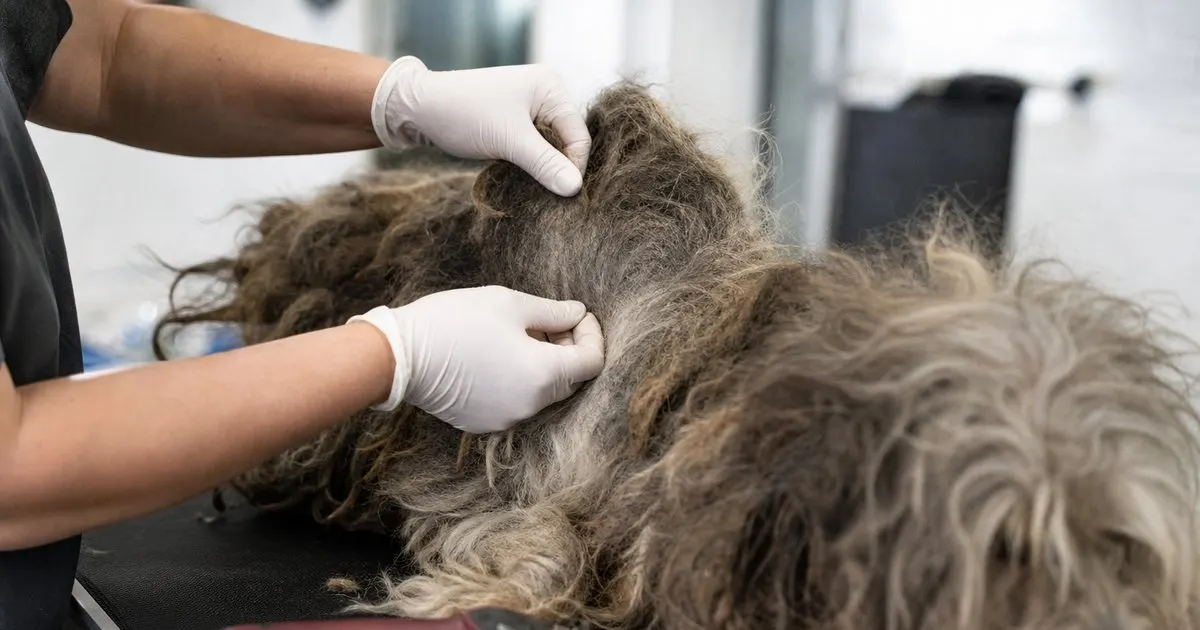
The typical matted-coat failure looks like this. A client books a full groom for a dog they describe as a little tangled. At check-in the groomer feels pelting close to the skin and knows a brush-out would be painful and take hours. The groomer does the humane thing and shaves the dog short. At pickup the client is upset, sometimes tearful, because nobody told them their dog would come home nearly bald. Then the review goes up, and it is not about the quality of the work. Related: What is the best way to price grooming add-ons like de-shedding and teeth brushing?
Nothing in that story involves bad grooming. It involves an expectation that was never set. The client did not know that mats cannot be brushed out safely past a certain point, did not know the shave was the likely outcome, and did not agree to it. A written policy fixes each of those, because it puts the explanation, the likely outcome, and the consent in front of the client before the appointment exists. Related: When should a mobile groomer stop booking by text message and use real scheduling software?
Keep reading: Why Online Booking Helps Grooming Businesses, Keeping Vaccination Records That Protect You, Reducing No Shows in Grooming. See how GroomBookr helps you grooming appointments plus a pet vaccination record vault.
What the policy should actually say
Keep it short enough that people read it. It should state that severely matted coats will be clipped short rather than brushed out because de-matting is painful and can injure the skin. It should say that the groomer decides at check-in, in person, and will contact the client before proceeding if the condition is worse than described. It should explain that a shaved coat can reveal skin irritation, sores, or bruising that was hidden under the mats, that clipper irritation can appear afterward, and that these are consequences of the mats rather than of the groom.
It should also cover money and time. A severe de-mat or shave-down takes longer and is harder on tools and hands, so state that it is priced as its own service or carries an additional charge, and that the quote may change after the in-person assessment. Finally, include a line that the client consents to the shave-down by booking a groom for a matted pet, and make that consent something they actively acknowledge rather than a paragraph buried in terms nobody opens.
Putting it in front of the client at the right moments
A policy that lives only on a laminated sheet behind the counter does not do its job. It needs to appear when the client is booking, ideally as a required checkbox on the booking form for any service involving a haircut. It should be repeated in the confirmation message, in one or two sentences with a link to the full version. And it should be reinforced at check-in when the groomer's hands find the mats, with a quick call or text to the client saying what was found and what will be done. Related: What should a groomer do when a client's rabies certificate has expired at check-in?
The check-in moment is where photos help. A picture of the pelted area, taken before clipping and stored on the pet profile, ends most disputes before they start. It also gives you a record for the next visit, so the conversation about a shorter maintenance schedule has something concrete behind it. GroomBookr keeps those photos with the pet alongside vaccine records and notes, but any system that attaches an image to a pet and a date will do.
Using the policy to change behavior, not just to defend yourself
The policy is a liability tool, but its better use is education. Most owners do not mat their dogs on purpose. They simply do not know that a doodle needs line brushing to the skin, or that a harness worn all day will felt the coat underneath. Pair the policy with a short guide on home brushing for the coat types you see most, and hand it to the client at pickup after any shave-down. Clients who understand why it happened are the ones who book the maintenance schedule.
Over time, the policy also lets you sort your book. Pets that arrive matted repeatedly despite the guide are candidates for a shorter interval, a standing appointment, or a conversation about whether a low-maintenance cut is a better fit for that household. That conversation is easy when both sides already agree on what the policy says and why. It is nearly impossible when the first mention of mats is at pickup. Related: How much buffer time should you leave between grooming appointments for different breeds?
- The shave-down conflict is an expectation problem, not a grooming problem, and a policy sets the expectation early.
- The policy should explain why mats get clipped, who decides, what the skin may reveal, and how pricing changes.
- Show it at booking, in the confirmation, and at check-in, and photograph the mats before you clip.
- Use it to teach home brushing and to move repeat offenders onto shorter maintenance intervals.

Julien Jimenez
Julien Jimenez is an independent software builder based in Paris. He designs, ships, and operates focused SaaS products for small businesses and independent professionals. Read the full author page.
Bookings and vaccination records in one place
Grooming appointments plus a pet vaccination record vault. GroomBookr is built to help you put this into practice.
Take bookingsMore from the GroomBookr blog
Why Online Booking Helps Grooming Businesses
Keeping Vaccination Records That Protect You

Reducing No Shows in Grooming
Get the GroomBookr playbook
Practical guides on pet grooming, straight to your inbox as we publish them. No spam, unsubscribe any time.